Data Integration
Need a single repository for your data? Not a problem.
Databases play an important role in business. But running disparate databases can become problematic: for example, some organisations may have separate databases for accounting purposes, customer management, and order tracking making it hard to obtain a single, integrated view of business data.
While building standalone databases may provide an effective solution to an immediate business problem, this approach is an ineffective long-term strategy: as the number of databases grows, so do data redundancies and inconsistencies.
In most cases, using multiple databases that could be logically combined together results in increased manual processing, longer data retrieval times, and slower decision making. Alongside these “soft” problems, there are also “hard” issues: each database requires maintenance and support, inflating IT investment. The negative impact on the bottom-line can also be felt in cases where database records cannot be easily collated together for analysis, resulting in lost business opportunities and customers.
The solution to the problem lies in integrating disparate databases to create a single view of organisational data, allowing for better accessibility to important information and lower on-going management costs. Essentially, data integration, also known as Enterprise Information Integration (EII), is a process of combining heterogeneous data sources under a single query interface, or database.
Data integration can be achieved through multiple techniques. The two most often used approaches include:
- Data warehousing: Extracting, transforming and loading (ETL) data from various data sources into a single, centralised data repository (Wikipedia: Data warehouse).
- Federated databases: Creating a virtual database that provides a uniform interface for retrieving data from multiple databases with a single query (Wikipedia: Federated database system)
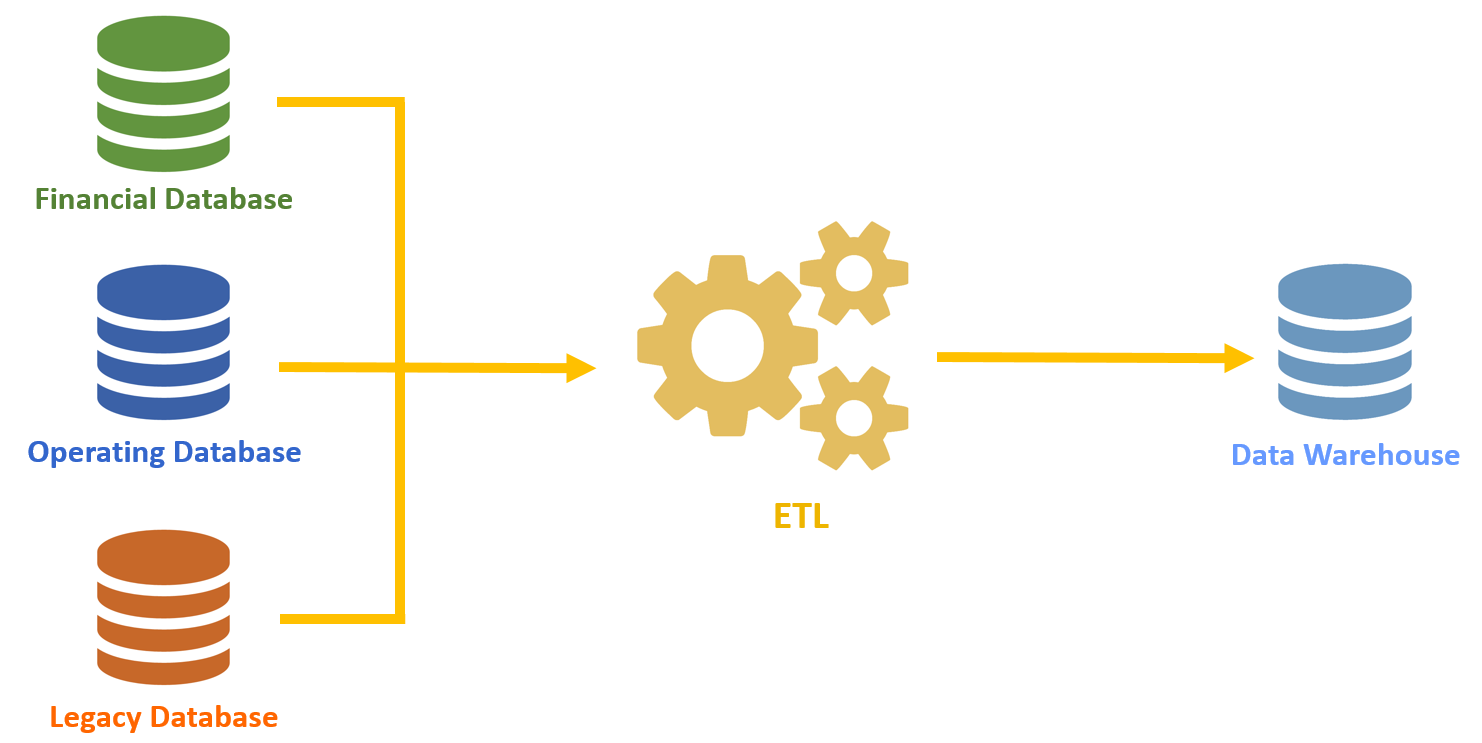
Data integration and you
So what benefits can your business derive from data integration? A key advantage is that your organisation will save significant resources in IT. Multiple databases require separate interface programs to process user requests and more programmers and support personnel to implement and manage them. By consolidating data, you will no longer need redundant applications, saving you time and money.
Data integration will also minimise the amount of work that goes into reconciling inconsistent data across multiple data stores, making your data more timely, accurate and reliable. Having a single version of the “truth” in your business will prevent bad decisions from occurring because of conflicting information.
You should consider investing in a data integration solution, if:
- You are running multiple databases but need an effective way of bringing them together
- You are tired of having to manually reconcile data across different databases
- You want to integrate with external data sources, such as databases managed by your trading partners
- You want to improve the quality of your decision making and the accessibility of your business information
Canary Integration Solutions
Canary can design an effective, cost-appropriate data integration solution for your business, allowing you to become more productive with your data.
Contact us to see how we can help improve your business.